
Memory Power Loss
Home / Memory Power Loss
What is Memory Power Loss?
Memory power loss refers to difficulty in remembering information, events, or daily activities that were once easy to recall. It can affect short-term memory, long-term memory, or both, and may interfere with personal, professional, and social life. Memory issues can range from mild forgetfulness to more serious neurological conditions and should not be ignored when they become frequent or progressive.
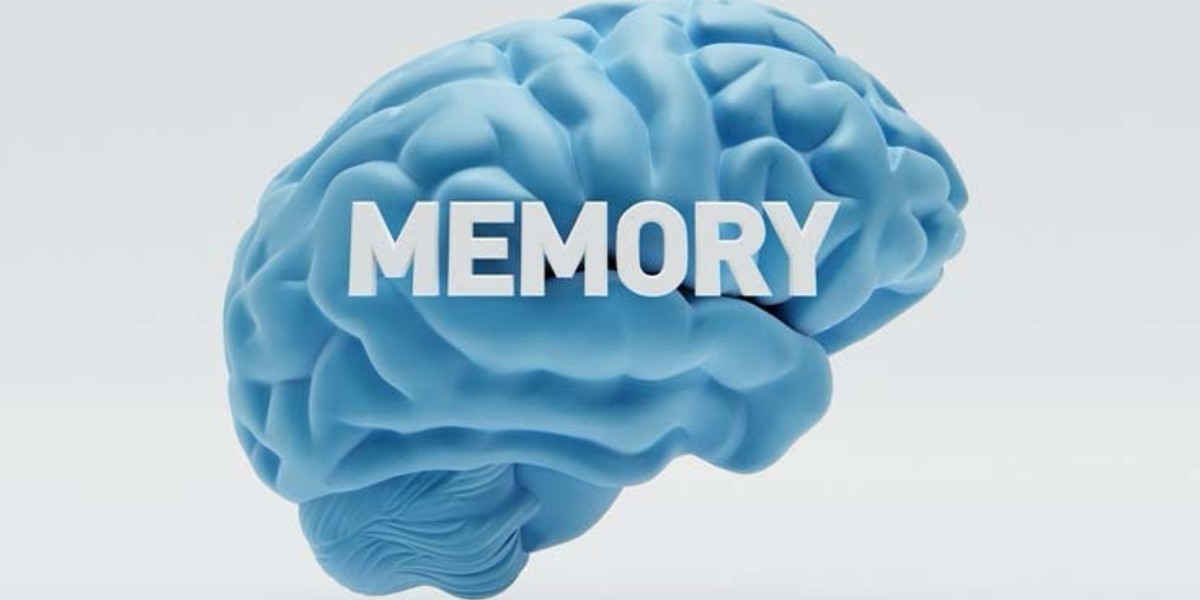
Causes of Memory Power Loss
Memory loss can occur due to various physical, psychological, and neurological reasons, including:
Age-related cognitive decline
Stress, anxiety, and depression
Sleep disorders and chronic fatigue
Vitamin deficiencies (especially B12)
Thyroid disorders
Head injury or trauma
Stroke and brain infections
Neurodegenerative diseases such as Alzheimer’s and dementia
Side effects of certain medications
Consultation
Early consultation with a neurologist is crucial when memory problems persist or worsen. During consultation, Dr. Saswat Mohanty conducts a detailed medical history review, neurological examination, and cognitive assessment to evaluate memory function. Advanced diagnostic tests may be advised to determine the exact cause and severity of the condition.
Available Treatments
Treatment for memory power loss depends on the underlying cause and individual condition. Available treatment options may include:
Medications to improve cognitive function
Treatment of underlying medical conditions
Lifestyle and dietary modifications
Stress management and sleep correction
Cognitive therapy and brain exercises
Management of neurological disorders
A personalized treatment plan is designed to slow progression and improve memory performance.
FAQ's
Mild forgetfulness can occur with age, but significant or progressive memory loss is not normal and requires medical evaluation.
Some types of memory loss are reversible, especially when caused by vitamin deficiency, stress, or medical conditions.
If memory issues affect daily life, worsen over time, or are associated with confusion or behavioral changes, consult a neurologist immediately.
Yes, proper sleep, balanced diet, mental exercises, and stress control can significantly improve memory health.
"Get expert neurological care from Dr. Swagat Mohanty!
Book your consultation today for personalized treatment and better health.